Wire Fraud and Sports Betting: Why Federal Prosecutors Chose These Charges
 Available in US
FBI Director Kash Patel did not mince words at the October 2025 press conference announcing the NBA betting arrests. He called it “the insider trading saga for the NBA” — a phrase deliberately chosen to signal that federal prosecutors were treating this as a financial crime, not a mere gambling infraction. That framing tells you everything about the legal strategy behind the charges.
When 34 individuals were arrested on 23 October 2025 across two coordinated operations, the headlines focused on the celebrity names — Chauncey Billups, Terry Rozier, Damon Jones. But I have spent nine years analysing betting integrity cases, and in my experience, the real story sits inside the charging documents. The Department of Justice reached for wire fraud and money laundering conspiracy — tools designed for Wall Street executives, Ponzi scheme operators, and corporate embezzlers — and aimed them squarely at a basketball betting ring. Understanding why tells you more about where sports integrity enforcement is headed than any press conference soundbite.
Wire Fraud 101: What It Means and Why It Applies
Ask a dozen people what wire fraud means and you will get a dozen blank stares. The statute — 18 U.S.C. Section 1343, for anyone inclined to look it up — is deceptively simple in its language but enormously powerful in its reach. At its core, wire fraud requires three elements: a scheme to defraud, the use of interstate wire communications to execute that scheme, and the intent to deprive someone of money or property.
That third element is crucial. When an NBA player or associate uses a mobile phone to tip off a betting partner about an injury, a planned reduction in playing time, or any other nonpublic information, and that partner then places a wager through a licensed sportsbook app, every digital signal in that chain — the text message, the app transaction, the data packet crossing state lines — constitutes a potential wire fraud count. Each count carries a maximum penalty of 20 years in federal prison.
The beauty of wire fraud from a prosecutor’s perspective is its flexibility. State gambling statutes vary wildly — what constitutes illegal gambling in New York may differ from the law in North Carolina. Wire fraud eliminates that patchwork entirely. It does not matter where the bet was placed or which state’s gambling rules apply. If interstate wires were used to further a fraudulent scheme, federal jurisdiction attaches. For a conspiracy that stretched across multiple states and involved participants in several NBA markets, wire fraud gave prosecutors a single, unified framework to build their case.
Money Laundering Conspiracy: The Second Layer of Charges
Wire fraud grabs headlines, but the money laundering charges reveal the structural ambition of the prosecution. Operation Royal Flush, the investigation targeting the organised poker ring connected to La Cosa Nostra families, uncovered what the FBI described as a financial pipeline. Victims of rigged poker games — many of them current and former NBA figures — lost more than $7 million. The proceeds from those games were then allegedly cycled through various channels to obscure their origin.
Money laundering conspiracy under 18 U.S.C. Section 1956 carries its own 20-year maximum sentence, and critically, it allows prosecutors to pursue asset forfeiture. That means any property, bank accounts, or financial instruments traceable to the alleged scheme can be seized. For defendants accustomed to multimillion-dollar contracts, the prospect of losing accumulated assets can be a more powerful motivator toward cooperation than the threat of prison alone.
The combination of wire fraud and money laundering charges also serves a strategic purpose: it puts enormous pressure on lower-level defendants to cooperate. When you face a potential 40-year combined exposure — even if no one realistically expects that sentence — the arithmetic of cooperation becomes very attractive. Damon Jones’s decision to enter a plea deal likely reflects that calculus.
Why Prosecutors Chose Wire Fraud Over State Gambling Charges
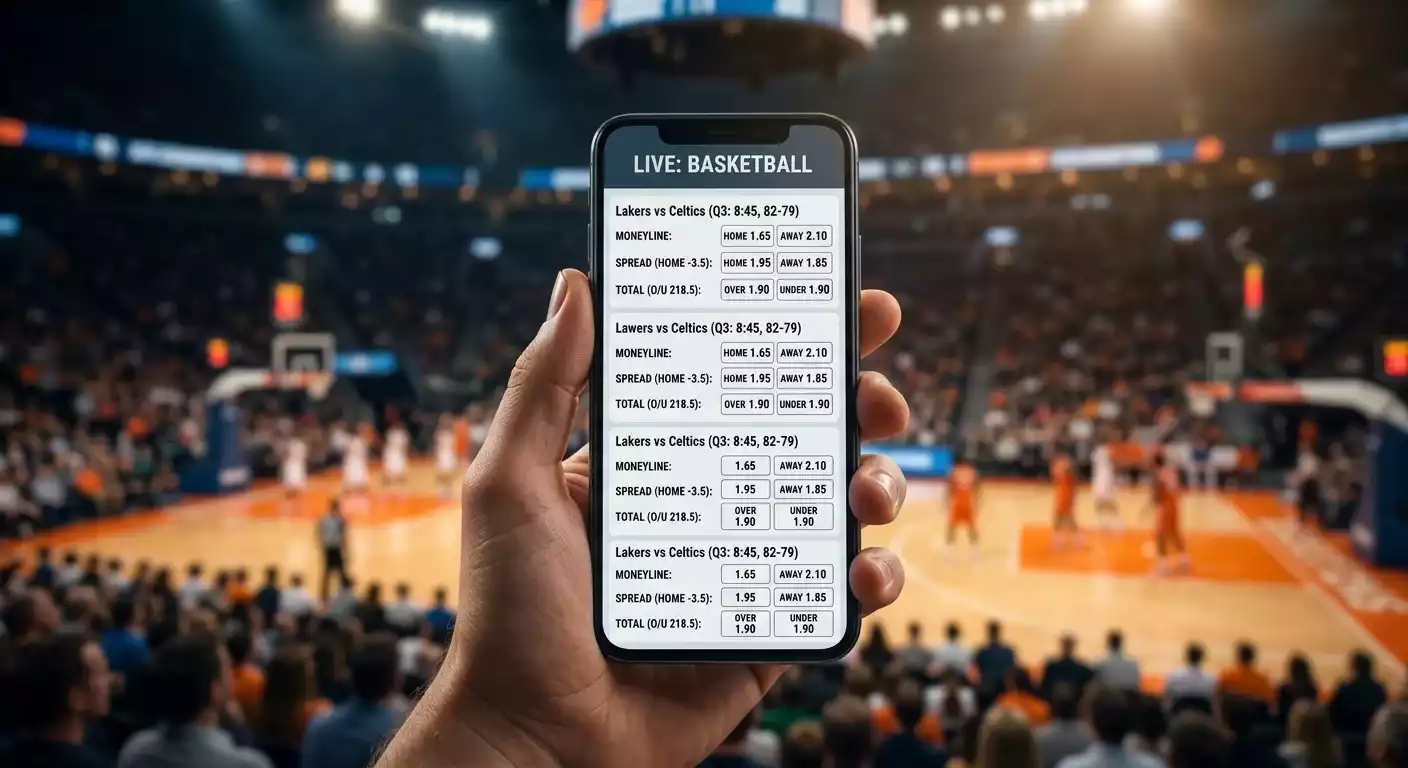
A natural question emerges: why not simply charge illegal gambling? The answer lies in both practicality and precedent. Between December 2022 and March 2024, the conspirators allegedly placed bets on at least seven NBA games using insider information. Those bets moved through legal sportsbook platforms in states where sports betting is permitted. The betting itself, in many cases, was technically legal — it was the use of nonpublic information to gain an unfair edge that crossed the line.
State gambling statutes often focus on whether a bet was authorised or placed through a licensed operator. If someone uses a licensed app to place a legitimate-looking wager, proving a state gambling violation can be technically challenging. Wire fraud sidesteps that problem. The fraud is not in the act of betting but in the deceptive scheme that preceded it — the sharing of insider information, the coordinated timing of wagers, the deliberate manipulation of performance to ensure certain outcomes.
There is also an institutional reason. Federal wire fraud cases are investigated by the FBI, prosecuted by the Department of Justice, and tried in federal courts with resources and sentencing guidelines that far exceed most state systems. For a case involving organised crime connections, multiple jurisdictions, and defendants with significant financial resources for legal defence, the federal system provides the infrastructure to manage that complexity. The filing of two separate indictments — one from the Southern District of New York, another from the Eastern District — reflects the scale that only federal prosecution can accommodate. You may also find Cookie Policy interesting.
Maximum Penalties and Realistic Sentencing Outcomes
On paper, the numbers are staggering. Wire fraud conspiracy: up to 20 years per count. Money laundering conspiracy: up to 20 years. Federal sentencing guidelines calculate a recommended range based on factors including loss amounts, the defendant’s role in the conspiracy, criminal history, and acceptance of responsibility.
In practice, first-time offenders in white-collar sports cases rarely receive anything close to statutory maximums. The Tim Donaghy precedent is instructive — the referee who bet on games he officiated received 15 months in federal prison after cooperating with investigators. Defendants who plead guilty and provide substantial assistance to prosecutors can expect significant reductions. Those who go to trial and lose face considerably harsher outcomes.
For the NBA figures involved, the sentencing calculus involves more than prison time. Federal convictions carry collateral consequences that can be equally devastating: potential lifetime bans from professional sports, loss of broadcasting and coaching opportunities, forfeiture of pension benefits, and permanent reputational damage. When I assess the likely trajectory of these cases, I expect most defendants will seek negotiated resolutions rather than risk trial — a pattern already established by Jones’s early plea.
The wire fraud framework also sets a precedent that extends well beyond basketball. By successfully prosecuting insider sports betting as financial fraud, the DOJ establishes a template for future cases in any sport where nonpublic information confers a betting advantage. Every professional league, every college athletic programme, and every athlete with access to material nonpublic information should take note: the federal government now treats tainted sports bets the way it treats insider stock trades. Learn more about nba player caught betting on our main page.
What is wire fraud and what penalties do Billups and Rozier face?
Wire fraud is a federal crime involving the use of interstate electronic communications — phone calls, texts, internet transactions — to execute a scheme to defraud. Each count carries a maximum sentence of 20 years in federal prison. Combined with money laundering charges, the theoretical maximum exposure exceeds 40 years, though actual sentences for first-time offenders in similar cases have historically been far shorter, often measured in months rather than years.
Why did federal prosecutors charge wire fraud instead of illegal gambling?
Many of the bets in the NBA scheme were placed through licensed, legal sportsbook apps. State gambling statutes focus on whether betting itself is authorised, making prosecution complicated when the platform is legal. Wire fraud targets the deceptive scheme behind the bets — the sharing of nonpublic information and coordinated manipulation — rather than the act of wagering itself. It also provides federal jurisdiction across state lines, which was essential for a conspiracy spanning multiple states.
Published by the nba Player Caught Betting team.