NBA Gambling Culture: How Card Games and Locker Room Bets Normalised Risk
 Available in US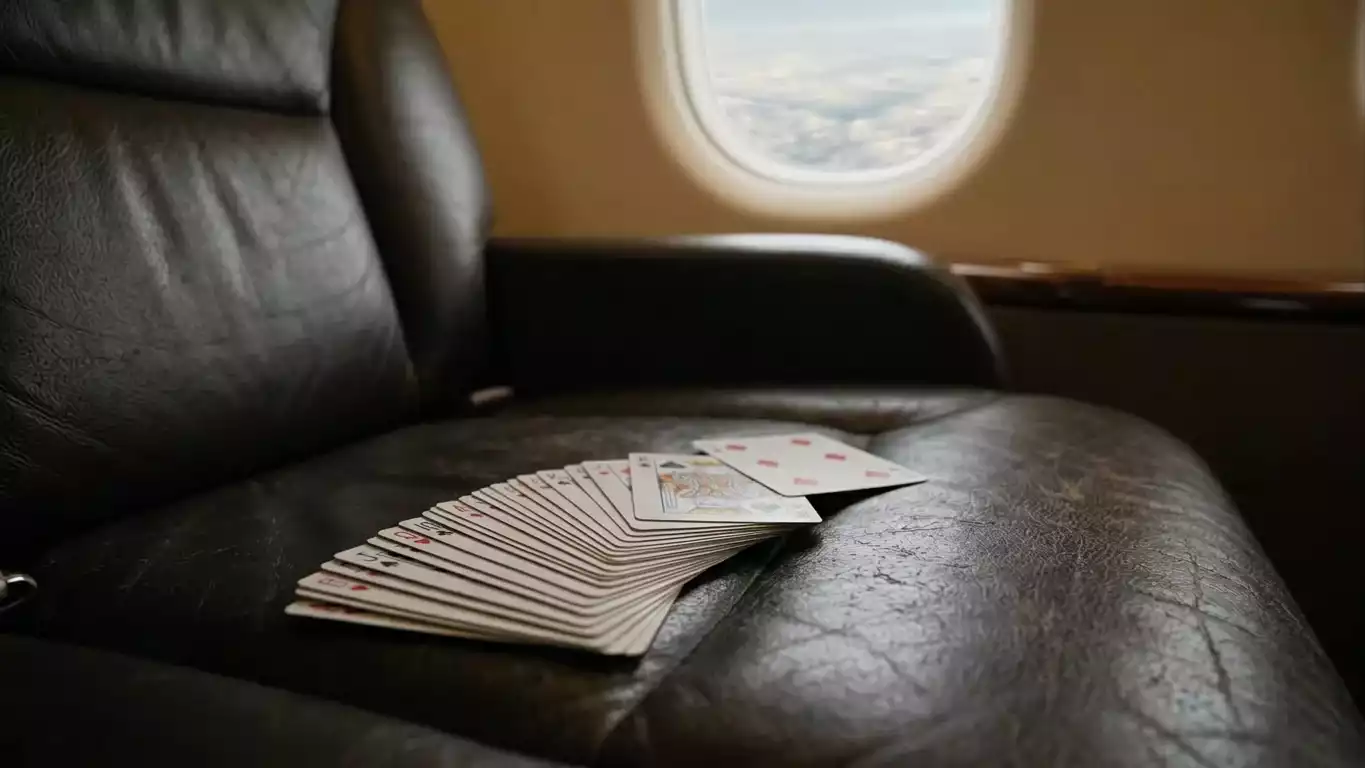
An anonymous NBA player agent, speaking to reporters after the October 2025 arrests, put it with a bluntness that no league official would dare match: “Surprised they got caught. But not surprised, as it is happening everywhere.” That quote has stayed with me because it captures something the public discussion of the scandal consistently misses. The 34 arrests were not a bolt from a clear sky. They were the logical endpoint of a culture that has treated gambling as a social institution for decades.
I have spent years examining how gambling behaviours develop within professional sports organisations, and the NBA’s internal culture is unlike any other league. The card games, the side bets, the normalised risk-taking — these are not aberrations. They are traditions, passed down from veterans to rookies like any other element of team culture. Understanding how that culture operates is essential to understanding how a federal betting ring could take root inside professional basketball.
Card Games at 35,000 Feet: The Tradition of In-Flight Poker
The NBA schedule is uniquely gruelling among American professional sports. Eighty-two regular-season games, most of them requiring air travel, mean that players spend hundreds of hours together on chartered flights. Those flights are where the gambling culture lives and breathes.
Poker games on team planes are not a secret. They have been documented in player memoirs, discussed in media interviews, and referenced in countless locker room anecdotes for at least three decades. The stakes vary — from low-stakes games that function as social bonding to sessions where six-figure pots are not uncommon. The games are hierarchical: veterans typically control the table, and rookies are expected to either sit in quietly or lose their buy-in as a rite of passage.
What makes these games significant from an integrity perspective is not the poker itself — card games between consenting adults on a private aircraft are not illegal. It is the behavioural conditioning they create. Players who regularly wager tens of thousands of dollars in casual card games develop a tolerance for financial risk that would strike most people as reckless. When the line between “gambling with teammates for fun” and “gambling on games for profit” blurs, it does so in an environment where large sums changing hands is already normal.
The poker ring that led to Operation “Royal Flush” and the arrest of 34 people did not materialise from nothing. The FBI’s investigation revealed that the rigged games involving La Cosa Nostra figures — games where victims lost more than $7 million — were able to recruit NBA participants precisely because those participants were already embedded in a poker culture. The step from a team-plane card game to a high-stakes poker room run by organised crime associates was, for some players, shorter than anyone outside the league would have guessed.
Bourré: The High-Stakes Card Game NBA Players Can’t Quit
Poker gets the headlines, but the game that truly defines NBA gambling culture is bourré — a trick-taking card game with roots in Louisiana Creole culture that has been a locker room staple for generations.
Bourré is built for action. Each hand is fast, the rules are simple enough to learn in ten minutes, and the pot-matching structure means that stakes escalate rapidly. A game that starts with $500 antes can produce individual hand pots of $50,000 or more within an hour. The game’s mathematical structure punishes hesitation and rewards aggression — qualities that NBA players, selected in part for their competitive drive and risk tolerance, find irresistible.
Anthony Davis’s name surfaced in media reports about NBA gambling culture specifically in connection with bourré games. Multiple reporting outlets have described bourré sessions in locker rooms, hotel suites, and private residences where the sums involved would qualify as life-changing money for anyone outside the NBA’s salary ecosystem. Within it, they represent an evening’s entertainment.
The cultural significance of bourré extends beyond the money. Participation signals belonging. Players who refuse to play risk social isolation within the team. Those who play and lose accept the outcome as a cost of membership. This social pressure is subtle but powerful, and it creates an environment where gambling is not just tolerated but expected. For integrity monitors and league compliance officers, that cultural embedding makes enforcement extraordinarily difficult — you cannot regulate a behaviour that the community does not view as problematic.
When Team-Plane Poker Meets Organised Betting Rings
The critical transition — from internal gambling culture to external criminal enterprise — happens when someone outside the locker room recognises the opportunity that the culture creates.
Organised crime has understood this dynamic for as long as professional sports have existed. The 34 arrests in October 2025 included figures connected to La Cosa Nostra families who had cultivated relationships with NBA figures through exactly these recreational gambling networks. The pathway was not recruitment in the traditional sense. It was proximity. Players who gambled socially encountered individuals who gambled professionally, and the boundaries between the two worlds dissolved gradually.
The case of Chauncey Billups illustrates this dynamic precisely. Billups, a five-time All-Star and NBA champion, did not wake up one morning and decide to participate in a criminal enterprise. According to the indictment, his involvement grew out of poker games that became progressively more connected to organised gambling networks. The social gambling culture provided the initial contact, the ongoing relationship, and ultimately the cover for activities that crossed the line from entertainment into federal crime.
What I find most striking is the lack of institutional awareness. NBA teams knew their players gambled on flights. Coaches participated. Training staff watched. The culture was visible, acknowledged, and entirely unregulated at the team level. No one within the organisation connected the dots between a harmless-seeming card game at 35,000 feet and the vulnerability it created for manipulation from the outside. You may also find NBA Gambling Investigation: How the FBI Took Down a Multi-Million-Dollar Betting Ring interesting.
“Surprised They Got Caught”: What Agents and Staff Say Privately
That anonymous agent’s quote deserves unpacking, because it reflects a view that is far more common inside NBA circles than the league would like to admit.
The “surprised they got caught” half of the statement speaks to a widespread belief that gambling within and around the NBA is more pervasive than the public realises. Agents, in particular, occupy a unique vantage point. They represent multiple clients across different teams, giving them visibility into gambling behaviours across the league rather than within a single organisation. Their assessment, conveyed through multiple anonymous quotes in the wake of the arrests, is consistent: what was exposed represents a fraction of the actual activity.
The “not surprised, as it is happening everywhere” half is more damning still. It suggests that the gambling culture is not concentrated in a few teams or among a few individuals but is distributed across the league. If agents are correct — and their financial incentive to understand their clients’ risk exposure gives them reason to be well-informed — then the 2025 scandal is not an anomaly that can be addressed through targeted disciplinary action. It is a systemic condition that requires systemic reform.
Team employees tell a similar story, albeit more cautiously. Off the record, front-office personnel describe a culture where gambling is simultaneously ubiquitous and invisible — everyone knows it happens, no one is tasked with monitoring it, and raising concerns is viewed as disloyal. That dynamic mirrors patterns I have seen in other institutional corruption cases: the behaviour persists not because people approve of it but because the social cost of challenging it exceeds the perceived risk of allowing it.
The league’s response to date has focused on rules, penalties, and monitoring — the visible architecture of integrity enforcement. What it has not addressed is the cultural substrate from which the scandal grew. Until the NBA confronts the normalisation of gambling within its own locker rooms and on its own aircraft, the conditions for the next scandal will remain firmly in place. Learn more about nba player caught betting on our main page.
Is playing poker on NBA team flights against league rules?
Playing poker on team flights is not explicitly prohibited by the NBA’s gambling policy, provided no betting on NBA games or use of nonpublic information is involved. The league’s rules target sports betting and integrity violations rather than recreational card games. However, the 2025 scandal prompted internal discussions about whether the unregulated gambling culture on team flights creates conditions that facilitate more serious violations.
What is bourré and why is it popular among NBA players?
Bourré is a trick-taking card game with roots in Louisiana Creole culture that has been a locker room fixture in the NBA for decades. Its rapid pace, escalating stakes through pot-matching, and competitive structure appeal to professional athletes with high risk tolerance and competitive drive. Games can produce individual hand pots exceeding $50,000, and participation often functions as a social bonding ritual within teams.
Created by the ”nba Player Caught Betting” editorial team.