Congress Takes On the NBA Gambling Scandal: What the Senate and House Are Demanding
 Available in US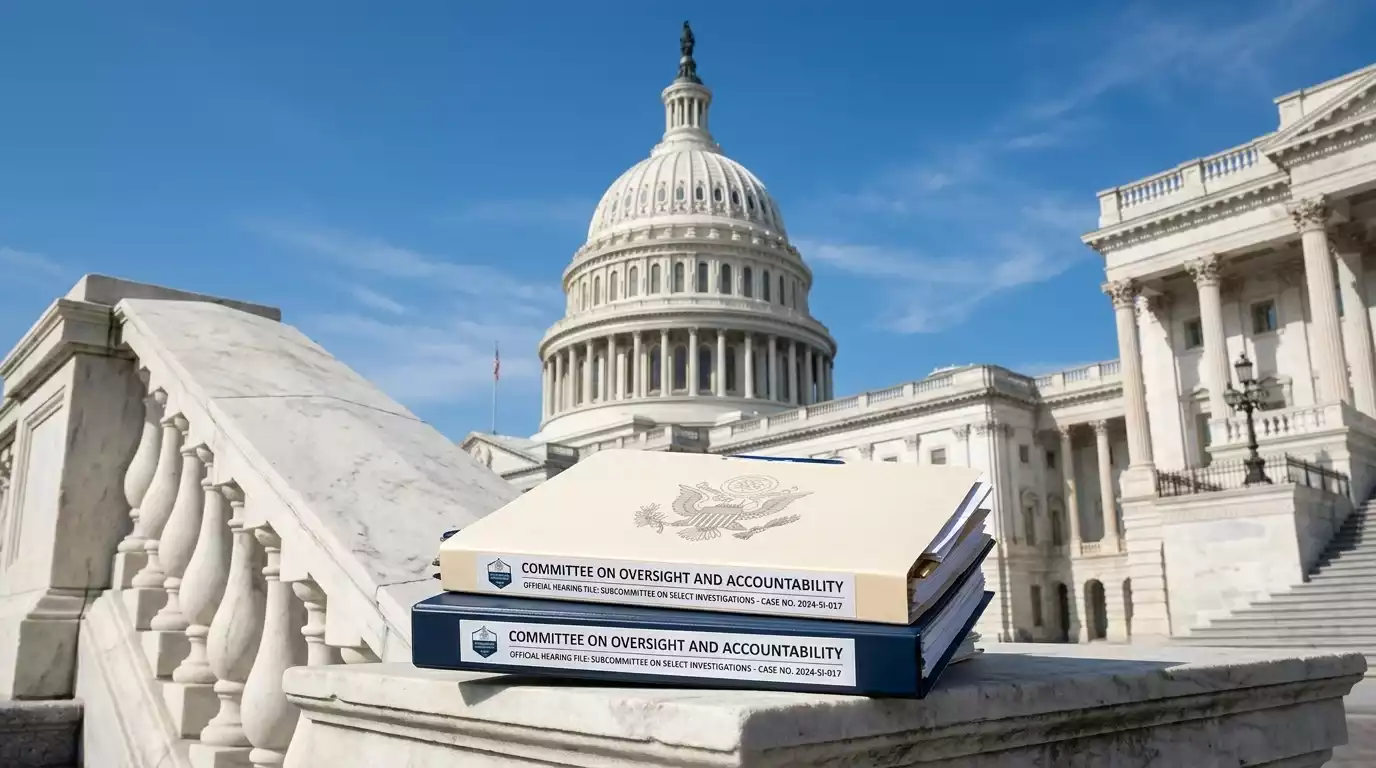
Five days. That is how long it took after the 23 October 2025 arrests for Congress to turn the NBA gambling scandal into a legislative matter. The Senate Commerce Committee fired off a bipartisan letter to Commissioner Adam Silver demanding a full briefing by 31 October. The speed was remarkable, but in hindsight, the political conditions had been building for years. When you combine a $167 billion sports betting industry, organised crime allegations involving a beloved American sport, and a regulatory framework split across 38 different state jurisdictions, congressional intervention was never a question of if — only when.
I have tracked regulatory responses to sports integrity crises for nearly a decade, and the NBA scandal marks a turning point. For the first time since the Supreme Court struck down the Professional and Amateur Sports Protection Act in 2018, Congress is seriously re-examining whether the state-by-state approach to sports betting regulation is adequate. The answer, depending on which lawmaker you ask, ranges from “absolutely not” to “let the states handle it.” The debate that follows will shape the future of legal betting in both the United States and, indirectly, in regulated markets like the United Kingdom.
Cruz and Cantwell: The Bipartisan Senate Demand
Bipartisan action in the United States Senate is rare enough to warrant attention whenever it appears. When Republican Ted Cruz and Democrat Maria Cantwell jointly signed a letter to Adam Silver, it signalled that the NBA scandal had transcended partisan politics. The senators wrote that NBA games “must be trustworthy and free from the influence of organized crime or gambling-related activity” and warned that scandals like this one “may lead the American public to assume that all sports are corrupt.”
The letter was not a polite request. It carried the weight of the Senate Commerce, Science, and Transportation Committee — a body with jurisdiction over interstate commerce, which encompasses virtually every aspect of legal sports betting. The senators demanded a briefing by 31 October 2025, giving Silver less than a week to prepare. They wanted specific answers about the NBA’s existing integrity protocols, the league’s financial relationships with sportsbook operators, and what safeguards were in place to prevent the kind of insider manipulation that the FBI had uncovered.
What made the Cruz-Cantwell letter particularly significant was its scope. The senators were not merely asking about the specific defendants or the details of the criminal case — that was the Department of Justice’s domain. They wanted to understand the systemic conditions that made the scandal possible. How did a professional athlete allegedly pass nonpublic information to betting associates for over a year without detection? Why did the NBA’s own monitoring systems fail to catch what the FBI eventually uncovered through wiretaps and financial surveillance? These are the questions that keep league executives awake at night, because they have no satisfying answers.
House Energy and Commerce Committee’s Questions
The House of Representatives moved almost simultaneously. Six members of the Committee on Energy and Commerce sent their own letter to the NBA, but with a distinctly different emphasis. Where the Senate focused on integrity failures, the House members zeroed in on the league’s commercial relationships with the gambling industry itself.
The House letter demanded detailed information about the NBA’s partnership agreements with sportsbook operators, the revenue the league derives from gambling-related sponsorships, and whether those financial ties compromise the league’s ability to police its own integrity. It was, in effect, a conflict-of-interest inquiry. The NBA earns approximately $160 million annually from sportsbook partnerships — a figure the House members wanted Silver to contextualise against the league’s spending on integrity monitoring and enforcement.
The Energy and Commerce Committee holds jurisdiction over telecommunications and consumer protection, giving it a natural interest in how betting platforms operate and how consumers — punters, in British parlance — are protected from manipulated markets. By framing the inquiry around consumer protection rather than sport governance, the House opened a regulatory pathway that could lead to federal oversight of sportsbook operations, data-sharing agreements, and the types of betting markets that platforms can legally offer.
Federal vs State Regulation: The Central Debate
The congressional attention has reignited a debate that has simmered since 2018: should the United States adopt federal sports betting regulation, or should the current patchwork of 38 state-level frameworks remain in place? Adam Silver himself waded into this debate when he told a podcast audience that “there should be more regulation, frankly” and expressed a wish for “federal legislation rather than state by state.”
The case for federal regulation is straightforward. Sports betting is inherently interstate — a bettor in New Jersey can wager on a game played in California between teams based in Texas and Florida, using a platform headquartered in Massachusetts. When integrity failures occur, they do not respect state boundaries. A federal framework would establish uniform rules for sportsbook licensing, integrity monitoring requirements, data-sharing obligations, and enforcement mechanisms. It would eliminate the arbitrage opportunities that currently exist when regulations differ from one state to the next.
The case against is equally forceful. States that have legalised betting have built regulatory agencies, collected billions in tax revenue — $3.71 billion nationally in 2025 alone — and tailored their rules to local conditions. Thirty-eight states and the District of Columbia have made deliberate policy choices about tax rates, licensing requirements, and market structures. Federal legislation would override those decisions and, critics argue, impose a one-size-fits-all approach on a diverse landscape.
The political reality sits somewhere between these poles. Full federal regulation is unlikely in the near term, but targeted federal legislation addressing specific integrity concerns — mandatory reporting of suspicious betting activity, uniform standards for nonpublic information handling, federal penalties for insider sports betting — has a plausible path through Congress. The NBA scandal provides exactly the kind of high-profile catalyst that moves legislation from committee hearings to floor votes. Check out our guide on Damon Jones Plea Deal: What the First Guilty Plea Means for the NBA Scandal as well.
How Britain’s Centralised Gambling Regulation Compares
For British readers, the American regulatory fragmentation can seem bewildering. The United Kingdom operates under a single, centralised framework administered by the UK Gambling Commission, which licenses and regulates every bookmaker operating in the British market. The Sports Betting Intelligence Unit, jointly managed by the Gambling Commission and UK Sport, provides a unified monitoring function that covers all sports, all markets, and all licensed operators.
The British model is far from perfect — critics note that the UKGC has faced its own challenges with enforcement speed, operator compliance, and the balance between consumer protection and market freedom. But its centralised structure means that integrity alerts generate a coordinated response rather than a fragmented one. When suspicious betting activity appears on an NBA market offered by a UK bookmaker, the SBIU can investigate, share information with American counterparts, and take regulatory action against the operator — all within a single institutional framework.
The contrast is instructive. American sports betting generated $166.94 billion in wagers during 2025, but oversight of that enormous market is divided among dozens of state regulators with varying levels of resources, expertise, and political will. The NBA scandal has not created the case for centralised regulation in America — that case has existed since PASPA was struck down — but it has made the status quo much harder to defend on Capitol Hill. Discover everything about nba player caught betting here.
Has Congress taken action on the NBA gambling scandal?
Yes. In late October 2025, the Senate Commerce Committee sent a bipartisan letter from Senators Ted Cruz and Maria Cantwell demanding that NBA Commissioner Adam Silver provide a briefing on the league’s integrity protocols and gambling partnerships. Separately, six members of the House Energy and Commerce Committee requested detailed information about the NBA’s financial relationships with sportsbook operators. Both inquiries are ongoing and could lead to legislative proposals for federal sports betting regulation.
Could the US adopt a federal gambling regulation framework similar to the UK?
A comprehensive federal framework modelled on the UK Gambling Commission is unlikely in the near term due to political resistance from states that have already established their own regulatory systems and tax structures. However, targeted federal legislation addressing specific integrity concerns — such as mandatory suspicious-activity reporting, uniform handling of nonpublic information, and federal penalties for insider sports betting — has a more plausible legislative path, particularly in the aftermath of the NBA scandal.
Created by the ”nba Player Caught Betting” editorial team.